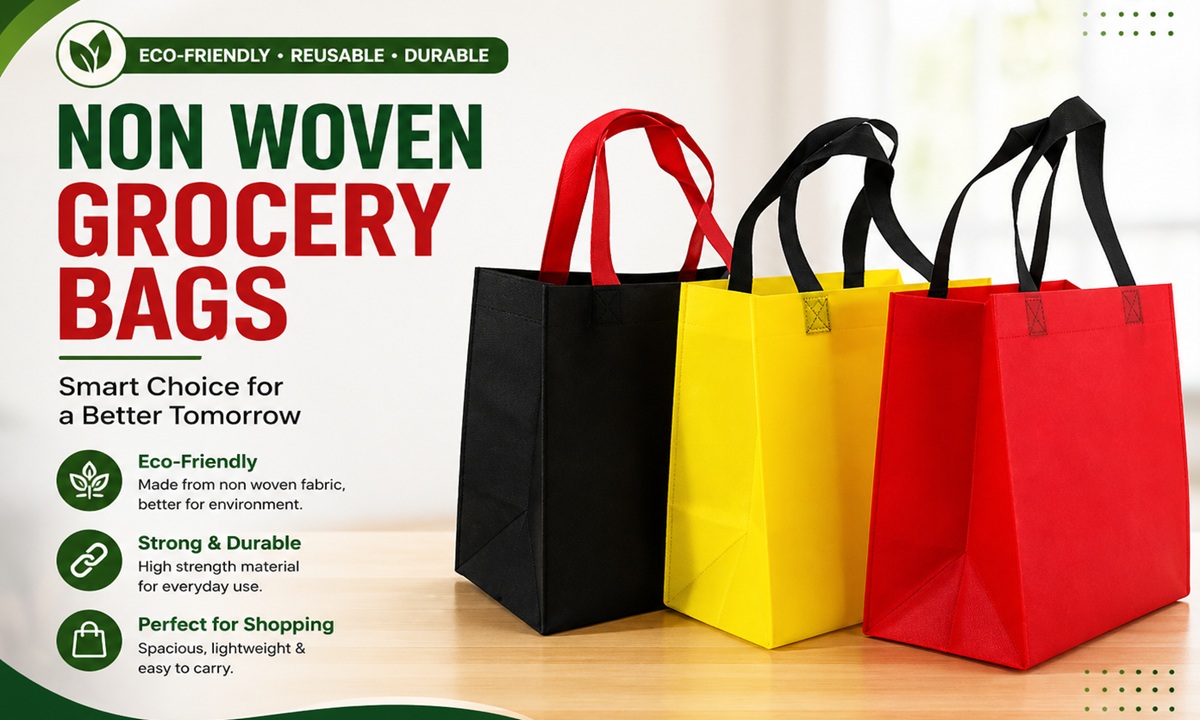
In an era where environmental concerns are at the forefront of global discussions, the search for sustainable alternatives to everyday products has become a top priority. One such alternative that's q
In an era where environmental concerns are at the forefront of global discussions, the search for sustainable alternatives to everyday products has become a top priority. One such alternative that's quietly transforming the way we live is non-woven products. These unassuming fabrics offer a plethora of benefits, making them a valuable asset for society, shopkeepers, and the fight against climate change.
Advantages of Non-Woven Products
Non-woven products have been gaining recognition due to their remarkable advantages:
Affordability: Non-woven products are cost-effective to produce, resulting in affordable options for consumers. From shopping bags to cleaning wipes, their affordability makes them accessible to a wide range of people.
- Durability: These fabrics are engineered for strength and resilience. They can withstand wear and tear, making them ideal for products that need to last, reducing the frequency of replacements.
- Versatility: Non-woven materials are incredibly adaptable. They can be found in medical supplies, agricultural coverings, automotive components, and countless other applications, making them indispensable across various industries.
- Environmental Friendliness: Non-woven products are often biodegradable or recyclable. This means they have a lower impact on landfills and reduce the burden on our environment.
Benefits for Society
Non-woven products play a significant role in our daily lives, benefiting society in numerous ways:
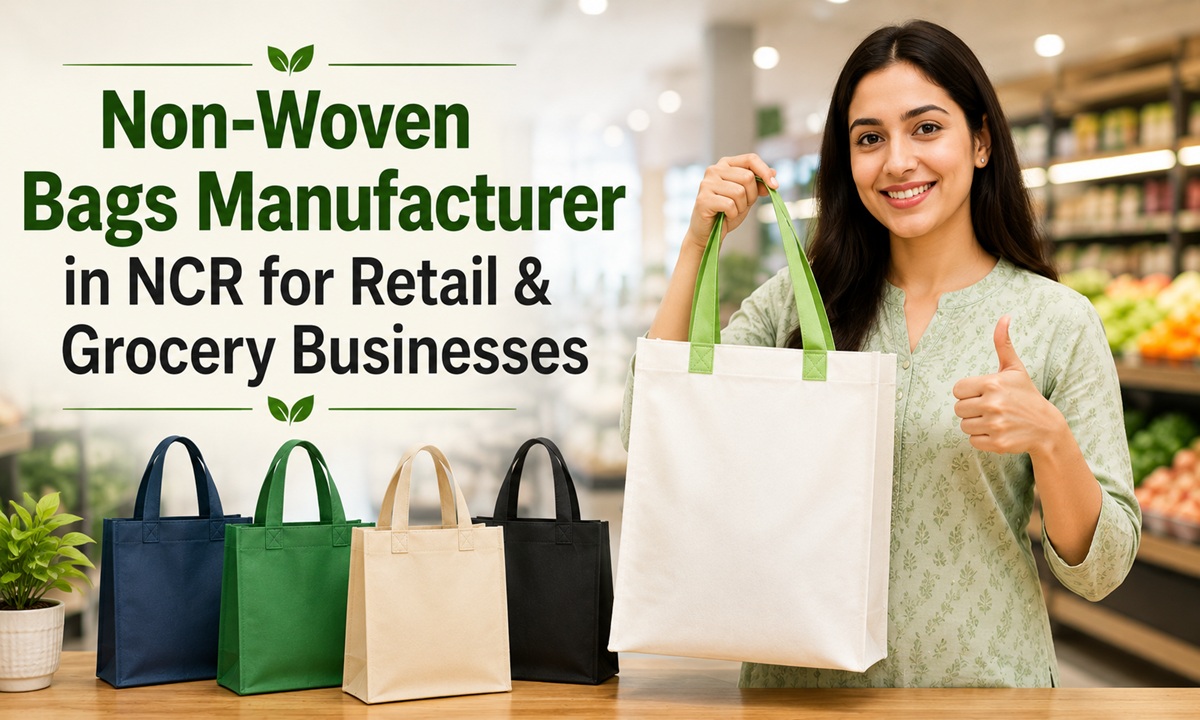
- Everyday Essentials: Think about the non-woven bags you use for groceries or the wipes you use to clean. These are integral to our daily routines, offering convenience, affordability, and reliability.
- Hygiene and Healthcare: In the realm of healthcare, non-woven materials are indispensable. They are used in surgical gowns, masks, and wound dressings, ensuring hygiene and patient care.
- Easy Accessibility: Non-woven products are widely available and affordable, making them accessible to people from various backgrounds. This accessibility ensures that everyone can benefit from non-woven items.
Benefits for Shopkeepers
Shopkeepers, too, stand to gain from the use of non-woven products:
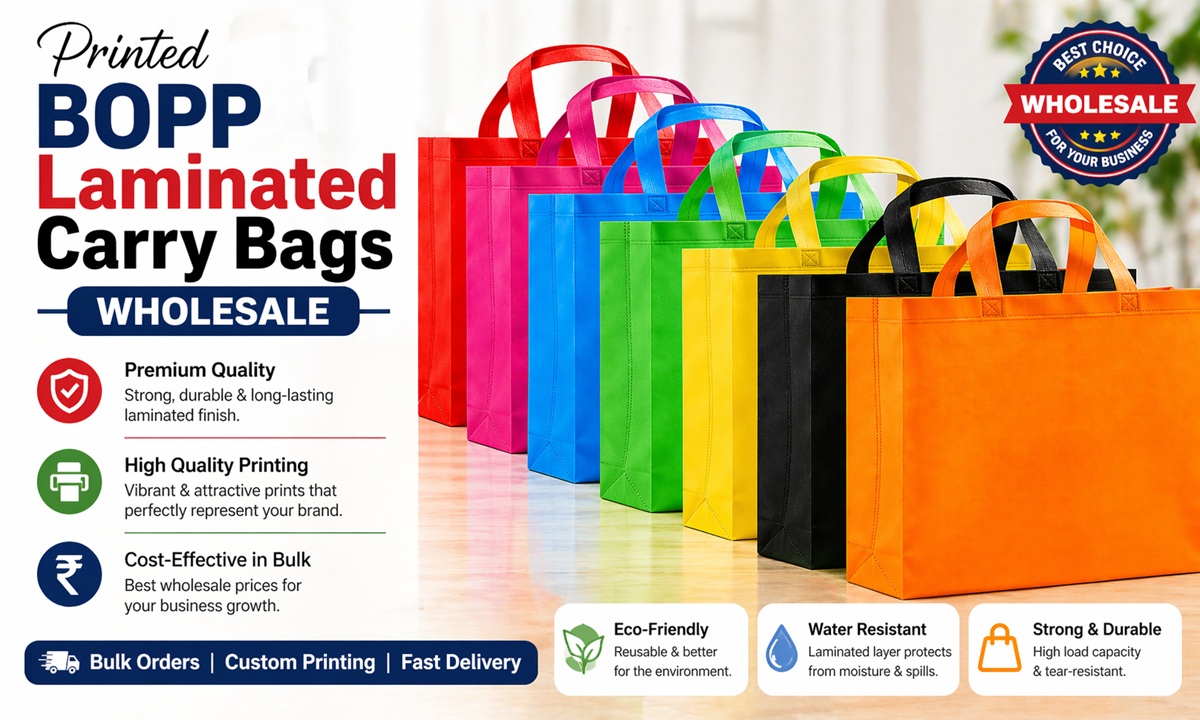
- Cost-Effective: Non-woven bags and packaging materials are cost-effective for shopkeepers. They are reusable and durable, reducing the need for constant replacements.
- Customer Demand: Many consumers actively seek eco-friendly alternatives, and non-woven products meet this demand. Offering non-woven bags or packaging can attract environmentally conscious customers.
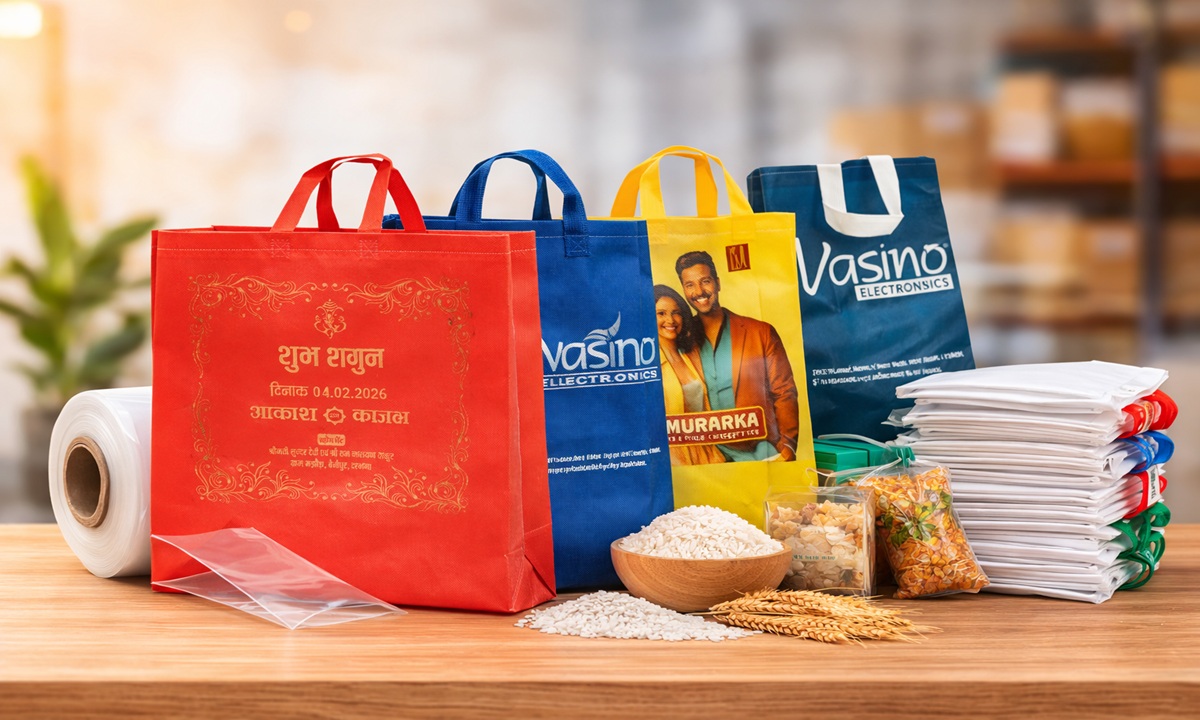
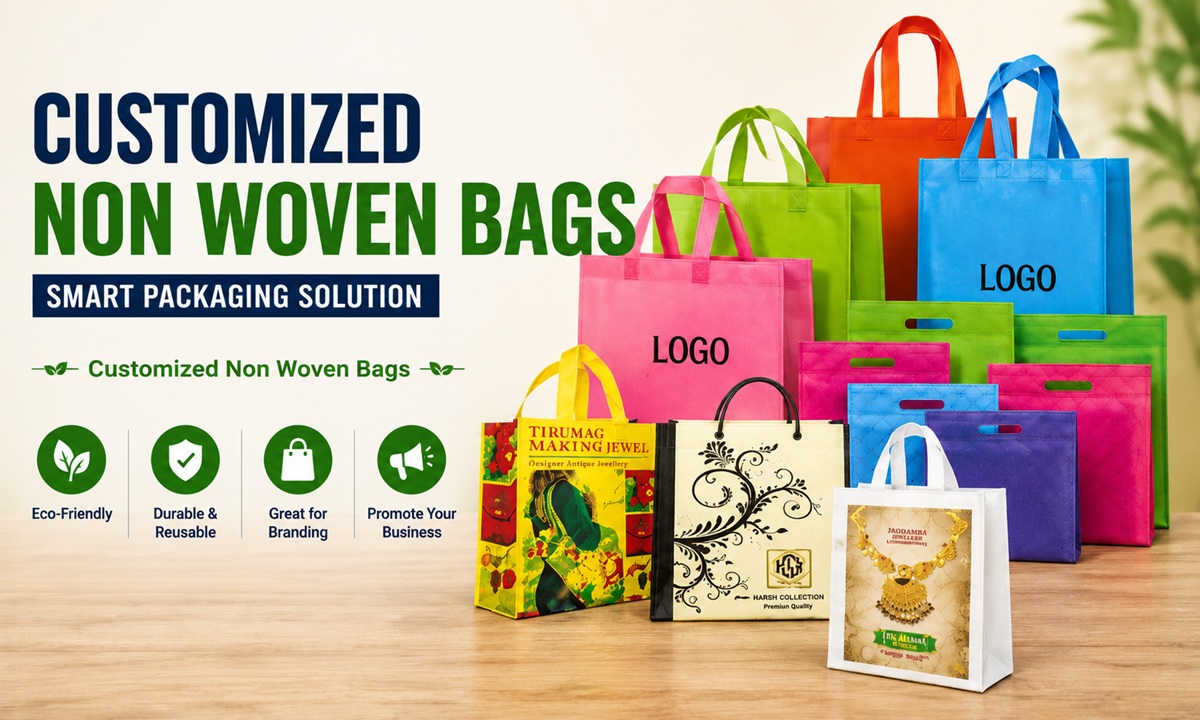
- Customization: Non-woven products can be easily customized with shop branding and designs, enhancing the shopping experience and brand visibility.
Environmental Impact: The Ultimate Solution to Plastic
Perhaps the most significant contribution of non-woven products is their positive impact on the environment. They are often hailed as the ultimate solution to the plastic problem:
- Reduced Plastic Usage: Non-woven materials serve as a sustainable alternative to single-use plastic products. By choosing non-woven shopping bags over plastic ones, we can significantly reduce plastic consumption.
- Biodegradability: Many non-woven products are biodegradable or recyclable, contributing to reduced landfill waste and a healthier environment.
- Energy Efficiency: The production of non-woven fabrics is generally more energy-efficient than the production of traditional plastics, reducing the carbon footprint.
- Reduced Pollution: Plastic pollution, especially in oceans and waterways, is a global concern. Non-woven products, being biodegradable and less likely to end up as litter, help combat plastic pollution.
In Conclusion
In a world where environmental conservation is paramount, non-woven products emerge as a beacon of hope. They not only offer practical solutions for everyday life but also contribute to a sustainable future, reducing the burden on our planet.
The adoption of non-woven products is a small change that can collectively lead to a significant positive impact on society, shopkeepers, and the climate. By choosing non-woven alternatives over plastic, we take a step towards a greener, cleaner, and more sustainable world.
So, next time you're shopping or using everyday products, consider the impact of choosing non-woven. It's a simple choice that can make a world of difference.